


Buying in Miami: Single-Family Home vs. Condo — a practical comparison


1) Safety rules & building recertification — a key Miami difference
If you’re looking at condos, understand that many buildings must comply with strict recertification and milestone inspections. Miami-Dade (and Florida statewide rules that grew out of Surfside) require structural and electrical recertification reports for many multi-story residential buildings; those reports can reveal major repair bills and trigger special assessments.
2) Ongoing and one-time costs: HOA dues vs. maintenance bills
-
Condos: Expect monthly HOA fees that cover common-area maintenance, insurance for the building shell (but not your personal contents or sometimes not hurricane deductible exposure), security, amenities and reserves. HOA fees can be high in Miami high-rise buildings and sometimes spike if reserve studies reveal underfunding. (See item 1 above on assessments.)
-
Single-family homes: You’ll usually have no HOA (or a smaller HOA), but you’ll carry responsibility for roof, systems, pool, landscaping, and exterior maintenance — which you pay directly or via contractors.
Practical tip: compare total monthly cost (mortgage + HOA + insurance + flood + expected maintenance) — not just the list price.
3) Insurance and climate risk — Miami premiums are real
Coastal Miami properties face high insurance costs, and homeowners (single-family) typically carry an HO-3 policy plus flood insurance where required. Average annual premiums for Miami-area homeowners can be several thousand dollars, and flood/ wind-related exposures vary dramatically by ZIP code. Condo owners generally pay a portion of building insurance via HOA, but unit owners still need HO-6/contents and often higher flood exposure depending on location.
Why it matters: insurance—especially flood and wind—can materially change monthly carrying costs and should be factored into affordability calculations.
4) Financing & resale risks: warrantability and buyer pool
Some condo buildings with deferred maintenance or critical repair flags become non-warrantable (not eligible for conventional loans backed by Fannie Mae / Freddie Mac). That shrinks the buyer pool to cash or portfolio lenders and can depress resale value. Buyers of single-family homes typically don’t face this type of building-level financing restriction.
Quick check for buyers: before signing a contract on a condo, ask the seller/HOA for the most recent reserve study, financials, minutes, and any outstanding litigation or special assessments.
5) Short-term rentals and use restrictions — location matters
If you intend to rent (short-term or long-term), research local rules and HOA policies carefully. Miami Beach has strict short-term rental controls, and many zoning districts prohibit vacation rentals in single-family areas or certain multi-family zones. Miami-Dade County and specific municipalities have different licensing and tax requirements for short-term vacation rentals — noncompliance can lead to fines or forced delisting.
Practical impact: a condo that allows Airbnb on paper may still be restricted by local municipal code or by a condo’s rules; always verify both levels.
6) Lifestyle & convenience — what you actually want to live in
-
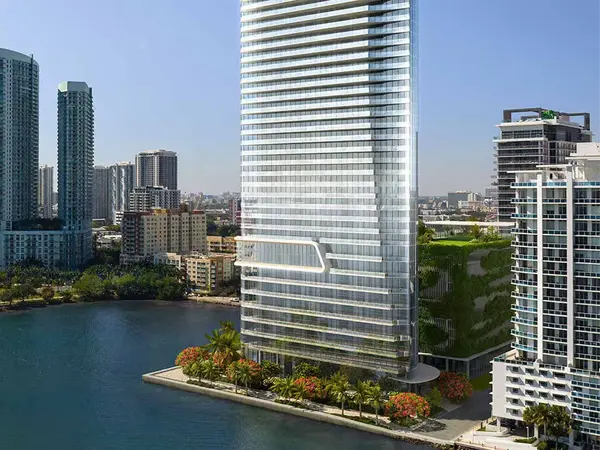
Condos: If you value lock-and-leave living, resort-style amenities, security, and lower day-to-day property chores, condos often win. They’re popular for seasonal residents, investors wanting managed rentals, and buyers who prize convenience.
-
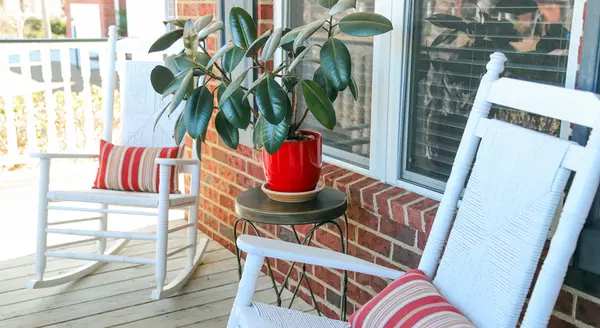
Single-family homes: If you prefer privacy, outdoor space, room to expand, and control over renovations (plus potential yard/pool), a house will usually be a better fit.
Consider lifecycle: families who plan to grow or want a yard often choose homes; empty nesters or frequent travelers often prefer condos.
7) Taxes & homestead — a big financial advantage for owner-occupants
In Florida, the Homestead Exemption provides a meaningful tax break for primary residences and is an important advantage for owner-occupant single-family buyers (and condo owners who occupy their unit as a primary residence). The exemption can save thousands yearly and also offers protection against certain property tax increases. Make sure you qualify and apply timely with the county property appraiser.
Practical note: homesteading doesn’t change the fundamental condo vs house tradeoffs above — but it does affect net carrying cost if you live in the property.
8) Resale dynamics & buyer demand
-
Urban condos near transit, Brickell/Downtown, or beachfront areas can sell quickly when market conditions favor investors or second-home buyers. But older condo buildings with low reserves or looming recertification projects can see price pressure.
-
Single-family inventory can be thinner in certain neighborhoods (e.g., single-family enclaves near Biscayne Park), which sometimes supports pricing but may limit options for buyers.
Quick decision checklist (for buyers)
Before you sign, run this checklist:
-
For condos: request HOA financials, reserve study, most recent meeting minutes, special assessment history, and building recertification status.
-
For homes: get flood elevation, insurance quotes, and estimate for exterior maintenance (roof, HVAC, landscaping).
-
If you plan STR (Airbnb): check municipal code + HOA rules — don’t assume “allowed” just because other units are listed.
-
Verify financing options available for the specific condo building (warrantable vs non-warrantable).
-
Confirm homestead exemption eligibility and estimated tax impact.
Bottom line — which should you choose?
-
Choose a condo if you want convenience, amenities, lock-and-leave living, or an investment in a building designed/managed for rentals — but only after confirming the building’s finances, reserve health, and local rental rules.
-
Choose a single-family home if you want control, outdoor space, lower exposure to building-level surprises, and potentially simpler financing and resale dynamics — but be ready for higher maintenance responsibility.
Both paths are valid in Miami; the smartest buyers pair their lifestyle goals with a careful due-diligence checklist tailored to Miami’s unique regulatory and climate realities.
Categories
Recent Posts









"Molly's job is to find and attract mastery-based agents to the office, protect the culture, and make sure everyone is happy! "